Meet us at CPHI Milan 2026, Booth No. 10H33, Oct 6-8, Fiera Milano, Italy Schedule a Meeting
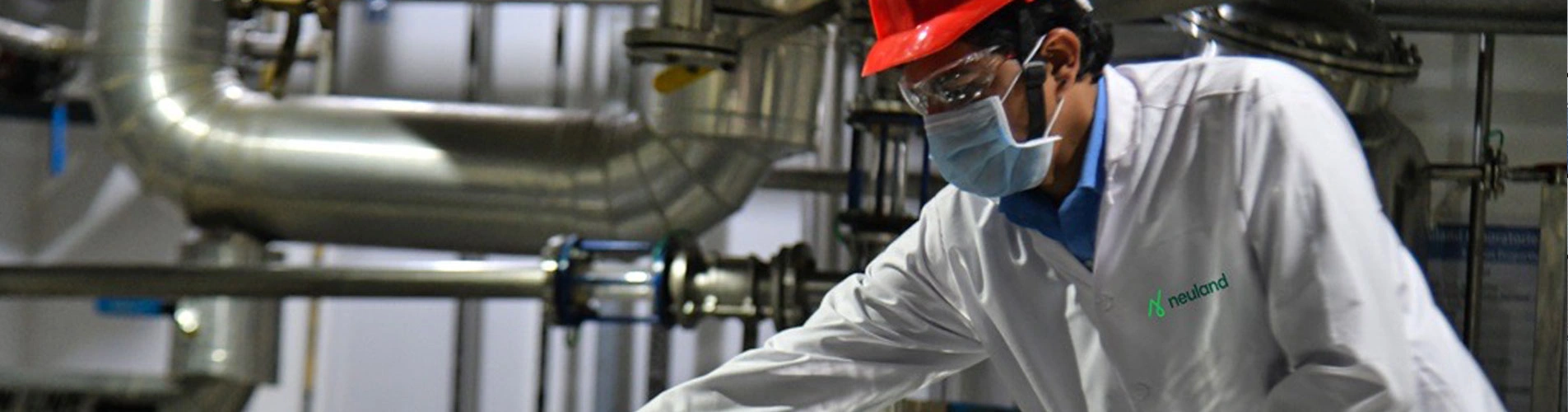
Safety considerations become increasingly important as processes move from laboratory development to larger-scale manufacturing. Conditions that are manageable at laboratory scale can introduce operational, thermal, and process safety risks during scale-up if not thoroughly understood and controlled.
Our Process Safety & Engineering capabilities help identify potential hazards early and establish the data, controls, and engineering understanding needed for safe process development and manufacturing. By integrating safety assessments into development activities, we help customers reduce scale-up risks, strengthen process robustness, and support reliable manufacturing execution.
Process safety assessments provide the data and engineering understanding needed to support safe process development, scale-up, technology transfer, and commercial manufacturing. Our teams combine process safety expertise with engineering evaluations to identify risks early and establish appropriate control strategies.
We evaluate reaction chemistry to identify potential hazards, assess reaction risks, and develop mitigation strategies that support safer process development and manufacturing.
We perform explosive property identification studies and dangerous goods classification to support material handling, transportation, storage, and regulatory compliance requirements.
Engineering simulations help evaluate mixing efficiency, heat transfer behaviour, and process performance, enabling safer and more reliable scale-up.
We perform vent sizing calculations and engineering assessments to ensure equipment is designed to safely manage pressure excursions and meet applicable engineering requirements.
Powder characterization studies help evaluate the handling properties and safety profile of intermediates and APIs, including dust explosion and combustion risks.
Reaction Mass DSC, TSU, and rapid screening device studies help evaluate thermal stability, decomposition behaviour, and potential process hazards under operating conditions.
Reaction calorimetry studies provide detailed information on heat generation and reaction behaviour, helping establish safe operating limits and supporting the transfer of processes from laboratory to plant scale.
We assess flammability, static electricity, dust explosion risks, and other operational hazards that may affect manufacturing safety and scale-up activities.
Material compatibility evaluations and corrosion testing help ensure process equipment and materials of construction are suitable for manufacturing operations.
Hazard and Operability (HAZOP) studies help identify operational risks and support safe scale-up, technology transfer, and manufacturing execution through structured hazard analysis and documentation.
Process safety data plays an important role in technology transfer and commercial manufacturing readiness. Understanding reaction hazards, process constraints, and engineering controls helps ensure processes can be transferred between facilities and executed consistently at larger scales.
Our teams work closely with development, manufacturing, and engineering functions to ensure process safety considerations are incorporated into scale-up, technology transfer, and commercial production strategies.
Whether you're evaluating process risks, scaling a new reaction, or preparing for technology transfer, we can help build a safer path to manufacturing.