Meet us at Tides Europe 2026, Stand No. 805, Nov 3-5, RAI Amsterdam, Netherlands Schedule a Meeting
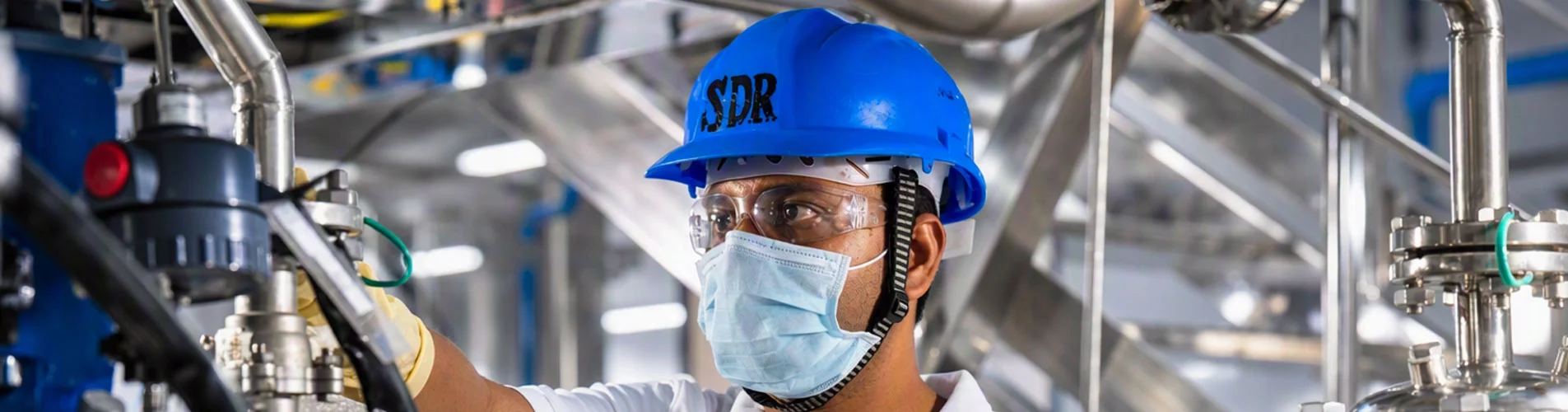
Technology transfer is more than the movement of documents, analytical methods, or manufacturing instructions. Successful transfer ensures that process knowledge, product understanding, and manufacturing controls are retained as programs move from development to scale-up, validation, and commercial production.
At Neuland, technology transfer is approached as a structured and collaborative process that connects development, analytical, manufacturing, quality, engineering, and regulatory teams. This integrated approach helps maintain process understanding while supporting efficient scale-up and manufacturing readiness.
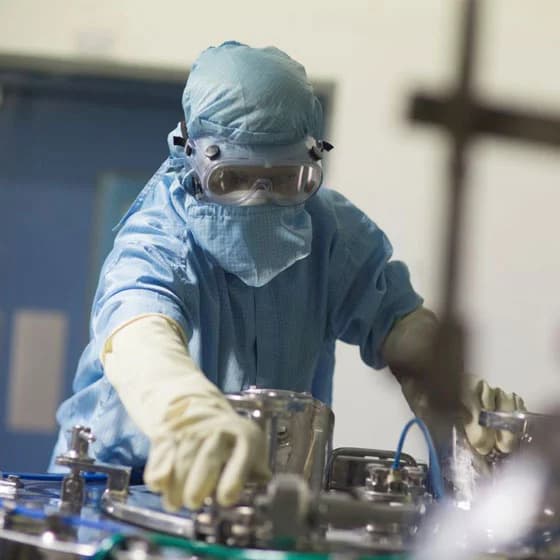

Technology transfer begins with detailed planning activities that establish objectives, responsibilities, timelines, documentation requirements, and risk assessments. Early planning helps identify potential challenges before manufacturing activities begin and supports a structured transfer strategy.

Technology transfer requirements vary depending on molecule complexity, manufacturing strategy, and stage of development.
Quick answers to help you better understand our CDMO capabilities and approach.
Still Have Questions? Contact UsTechnology transfer is the structured process of transferring process knowledge, analytical methods, manufacturing requirements, quality expectations, and supporting documentation from development into manufacturing environments.
Technology transfer helps maintain continuity between development and manufacturing while supporting scale-up, validation, product quality, and commercial readiness.
Technology transfer planning often begins early in development so that critical process knowledge can be captured and used to support future manufacturing activities.
Yes. Successful technology transfer often includes analytical method transfer and alignment of testing strategies to help maintain data integrity and product-quality oversight.
Yes. Technology transfer activities can support clinical manufacturing, process scale-up, validation programs, and commercial production throughout the lifecycle of the molecule.
Successful transfer depends on capturing and sharing process knowledge developed throughout the program. Structured knowledge management helps preserve critical information as teams, sites, and functions become involved.

Before transfer execution, process readiness is evaluated to confirm that manufacturing and analytical activities are sufficiently understood and prepared for scale-up and implementation. These evaluations help reduce execution risk while supporting manufacturing and analytical continuity.

Technology transfer plays a critical role in preparing programs for validation and commercial manufacturing. Strong transfer practices help establish the foundation needed for reliable execution at scale.
Regardless of molecule type, the objective remains the same: maintain process understanding while enabling reliable manufacturing execution.
Whether you are transferring a process from development into manufacturing, scaling an existing program, preparing for validation, or supporting commercial supply, Neuland's cross-functional teams help maintain continuity throughout the transition.