Meet Neuland at CPHI India 2026 | Hall 2, Booth 2D38 | Yashobhoomi Convention Centre, New Delhi | 24-26 November 2026 Schedule a Meeting
Meet Neuland at CPHI India 2026 | Hall 2, Booth 2D38 | Yashobhoomi Convention Centre, New Delhi | 24-26 November 2026 Schedule a Meeting
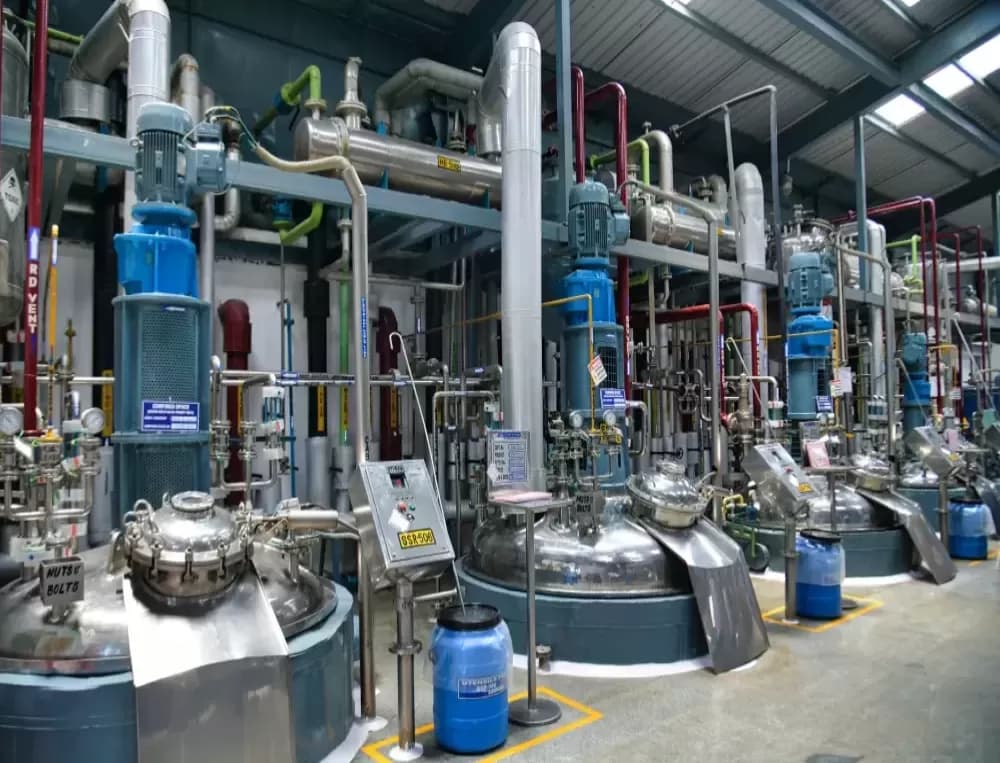
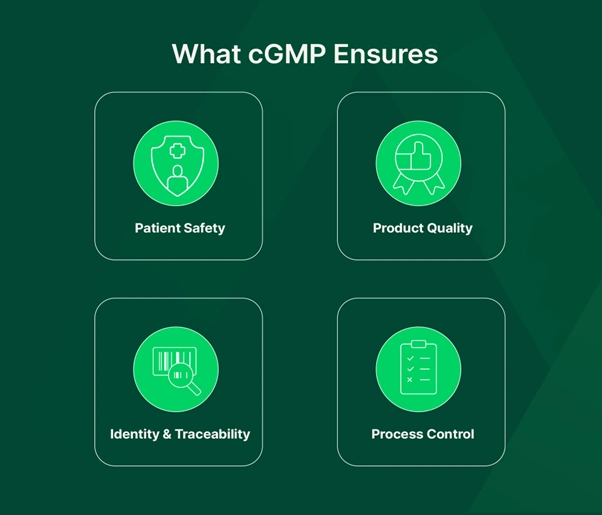
cGMP, or current Good Manufacturing Practices, governs how drugs are developed, produced, and tested. It covers everything from raw materials and equipment to training and documentation, and it's non-negotiable.
Yet, even within cGMP-compliant environments, lapses can occur due to how deviations and failures are investigated. As a result, issues go unresolved, non-compliance festers, and the risk to patients and business intensifies.
That’s why leading pharmaceutical companies are moving beyond reactive checklists by building robust cGMP frameworks that align with global expectations and embed a culture of continuous compliance across every facility, batch, and process.
While the core principles of cGMP are globally accepted, their interpretation and enforcement can vary across regions.
Regulatory bodies have developed their own frameworks for cGMP compliance, shaped by national laws, risk tolerances, and historical practices. Understanding these differences is key for pharmaceutical companies operating across borders.
In the U.S., the Food and Drug Administration (FDA) sets forth cGMP requirements mainly via Title 21 of the Code of Federal Regulations – notably, Parts 210 and 211 for drug manufacturing.
These regulations establish minimum standards for the methods, facilities, and controls used in producing pharmaceuticals
FDA inspections are unannounced and data-driven, often targeting high-risk products or sites. When violations occur, enforcement actions—such as warning letters, import alerts, or consent decrees—are swift and public.
For instance, the FDA issued a warning letter to Chem-Tech Ltd, highlighting failures in conducting thorough manufacturing investigations into out-of-specification (OOS) results, resulting in undetermined root causes and lack of corrective and preventive actions (CAPA).
As a strict hygiene practice, the USFDA routinely inspects Neuland Labs’ facilities and R&D procedures to maintain top-quality pharmaceutical manufacturing.
The European Union requires that any medicine sold in the EU (or made in the EU for export) be manufactured in accordance with European Medicines Agency (EMA) guidelines.
These GMP standards are detailed in the EU’s EudraLex Volume 4, which is periodically updated and contains chapters on quality management, personnel, equipment, documentation, production, and quality control, along with specific Annexes for specialized areas (e.g. sterile products, biologics, clinical trial materials).
EU regulators typically inspect sites on a routine schedule (every 2–3 years) and place strong emphasis on documentation and adherence to written procedures.
Notably, EU cGMP mandates an Annual Product Quality Review (PQR) for each marketed pharmaceutical product – a comprehensive yearly evaluation of all batches, deviations, changes, and stability data to detect trends or needed improvements.
The Ministry of Health, Labour and Welfare (MHLW) and the Pharmaceuticals and Medical Devices Agency (PMDA) enforce Japan's pharmaceutical GMP standards.
Japanese cGMP regulations are largely aligned with those of the US and EU, covering the same core requirements for:
One difference in Japan’s system is that GMP compliance is closely tied to the manufacturing licensing system.
A company needs a manufacturing authorization and must comply with all provisions of the Act on Securing Quality, Efficacy and Safety of Pharmaceuticals (often referred to as the Pharmaceuticals and Medical Devices Act) and its enforcement ordinance.
Two of Neuland Labs' manufacturing facilities have been inspected and certified by the PMDA, reinforcing the company's commitment to meeting Japan’s high regulatory standards.
Regulatory expectations evolve with emerging challenges, technology innovations, and lessons learned from industry experience. Some of the notable recent developments affecting cGMP compliance include:
There has been a strong push toward regulatory convergence. A landmark example is the US–EU Mutual Recognition Agreement (MRA) on GMP inspections, fully implemented by 2019.
Under this MRA, the FDA and EU authorities recognize each other’s cGMP pharmaceutical inspections as equivalent, reducing duplicate audits and allowing resources to focus on higher risks.
These agreements streamline compliance for global companies and underscore that regulators are aligning on core GMP standards.
With digitized records now the norm, data integrity has become a top regulatory priority. Expect audits to probe system validation, audit trails, and ALCOA compliance.
Pharmaceutical companies must ensure that all cGMP data are complete, consistent, and accurate – following the ALCOA principles (Attributable, Legible, Contemporaneous, Original, Accurate).
Regulators increasingly recognize that GMP compliance is as much about corporate culture as it is about checklists.
The trend is a shift from a purely compliance mindset (“meet the minimum requirements”) to an excellence mindset (“continuous improvement”).
The COVID-19 pandemic forced regulators to adapt, using remote inspections and document reviews when on-site visits were impossible.
While in-person inspections are now rebounding, agencies have gained appreciation for risk-based flexibility, such as reliance on trusted foreign regulator reports (thanks to MRAs) or hybrid inspection models.
This experience is likely to influence how inspections and compliance oversight are conducted going forward, with a greater acceptance of technology (e.g., live video facility tours or electronic record submissions) in regulatory assessments.
Aligning quality systems to comply with all regulatory regimes is a challenging but attainable goal, especially as international harmonization efforts continue to smooth out differences.
The key is to foster a global quality culture that always meets the strictest requirements – essentially “building in” compliance rather than reacting to inspections.
An example of excellence in global cGMP compliance is Neuland Labs, a Contract Development and Manufacturing Organization (CDMO) with specialized expertise in developing and producing small molecules and peptides.
Neuland emphasizes meticulous documentation, strict adherence to GMP standards, and robust quality systems across its three US FDA and EU GMP-compliant facilities, which offer a collective capacity of approximately 941 KL. This uniquely positions Neuland as a trusted partner for pharmaceutical innovation and manufacturing. Contact us here.
cGMP ensures drugs are consistently produced with the right quality, strength, and purity. It minimizes contamination, errors, and mix-ups, safeguarding patient health and maintaining trust in pharmaceutical products.
Not necessarily. Non-compliance may result in contaminated, ineffective, or unsafe products, even if there's no immediate evidence. The risk to patients increases without proper controls and quality systems in place.
FDA can issue warning letters, seize products, halt production, enforce recalls, or ban imports. These actions help remove unsafe drugs from the market and pressure companies to fix compliance issues.
New companies can access FDA’s published regulations, guidance documents, and training resources. They can also consult with regulatory experts or attend industry workshops to better understand expectations and compliance strategies.