Meet us at Tides Europe 2026, Stand No. 805, Nov 3-5, RAI Amsterdam, Netherlands Schedule a Meeting
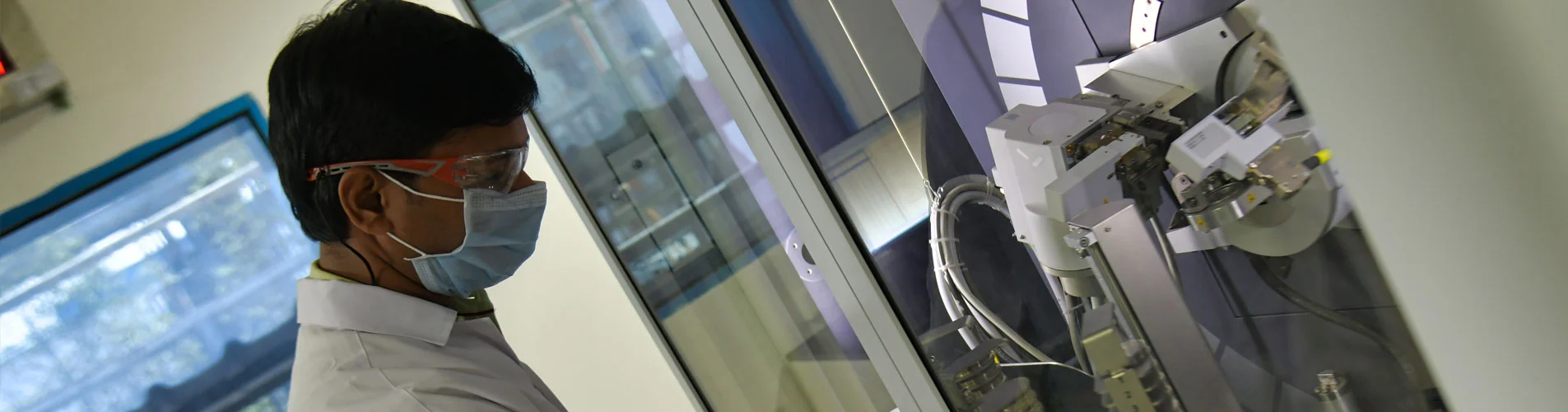
From route scouting and process optimisation to impurity control and scale-up readiness, we develop robust API processes built for successful manufacturing.
Developing a small molecule API involves more than identifying a viable synthetic route. As programs advance, challenges related to scale-up, impurity control, process robustness, and manufacturability can impact timelines, cost, and product quality.
Leveraging decades of experience in complex API development, we apply a science-led, phase-appropriate approach to process development that balances speed, scalability, and control. By combining process chemistry, impurity management, and manufacturing considerations from the outset, we help establish processes that support efficient scale-up and long-term program success.
Developing a scalable API process requires more than optimizing individual reactions. Our approach combines process chemistry, impurity management, and phase-appropriate development strategies to establish robust processes that support successful scale-up and long-term manufacturability.
We evaluate and compare multiple synthetic pathways to identify routes that are efficient, scalable, safe, and commercially viable. Route selection considers raw material availability, process complexity, yield, impurity risks, and future manufacturing requirements.
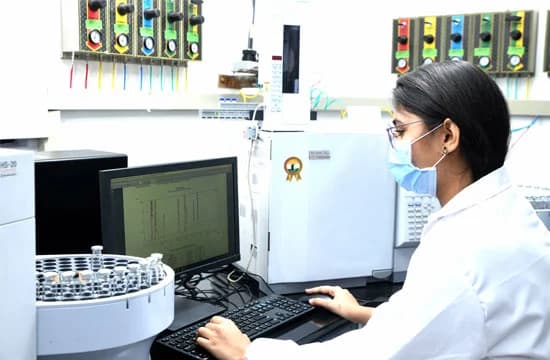
Robust process development relies on a structured understanding of process performance, variability, and risk. We apply structured scientific methodologies to build process understanding, identify risks early, and establish processes that remain reliable as they move from development to manufacturing.
We apply QbD principles and Design of Experiments (DoE) methodologies to understand the relationship between process variables and product quality. Through systematic experimentation, we identify Critical Quality Attributes (CQAs) and Critical Process Parameters (CPPs), enabling the development of robust design spaces that improve reproducibility during scale-up and technology transfer.
Our dedicated Process Engineering Laboratory supports these activities through advanced instrumentation, automation, and specialized DoE software platforms, allowing teams to evaluate process behaviour more efficiently and make data-driven development decisions.
Successful process development extends beyond the laboratory. A process must be transferred and executed in a manufacturing environment while maintaining quality, efficiency, and control.
We incorporate technology transfer considerations early in development, ensuring process knowledge, documentation, and manufacturing requirements evolve together. Through detailed process evaluation, structured planning, and close collaboration between our scientific, manufacturing, and project management teams, we help facilitate efficient technology transfer, reduce execution risk, and support a smoother transition into clinical and commercial manufacturing.
Our scientists bring deep expertise in complex chemistry and scalable manufacturing. Start a conversation to explore how our drug development CDMO capabilities can support your molecule from early development through commercial supply.
Our scientists refine reaction conditions and process parameters to improve yield, robustness, reproducibility, and overall process efficiency. The objective is to establish a reliable process that performs consistently while minimizing operational complexity and cost.
Impurity control begins early in development through a detailed understanding of impurity formation pathways. We develop strategies to minimize, monitor, and control process-related impurities, helping establish consistent product quality and supporting future regulatory requirements.
Development activities are aligned to the stage and objectives of the program. This approach balances speed, process understanding, and investment while ensuring the process remains adaptable as requirements evolve from preclinical development through later stages.